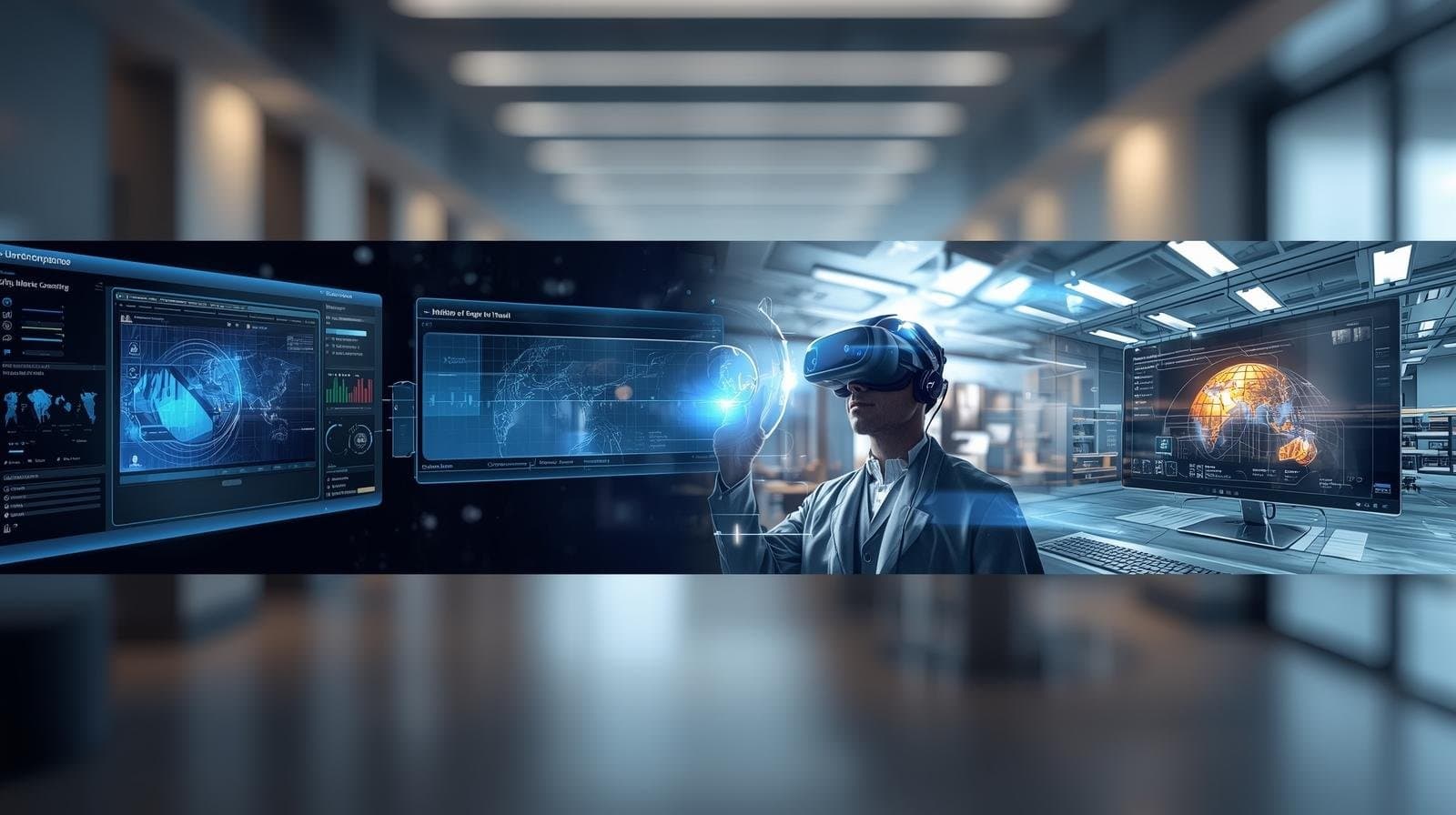
The Rise of Game Engines Beyond Gaming
Once limited to game studios, engines like Unity, Unreal, and Godot have become essential tools for industries far beyond entertainment. From healthcare and education to architecture and marketing, these engines are driving a creative shift that allows startups to visualize and bring ideas to life faster than ever.
In education, startups use 3D environments for virtual classrooms. In healthcare, medical tech firms develop immersive VR training for surgeons. Architecture startups create interactive walkthroughs of buildings before construction begins, helping clients make data-driven decisions through high-fidelity visualization.
The Startup Advantage: Speed and Experimentation
In the fast-paced startup world, agility is everything. Game engines enable rapid development through real-time rendering and massive asset libraries. This allows teams to create functional prototypes in days instead of months, significantly reducing development costs.
With built-in physics, animation, and scripting systems, startup teams can focus more on design thinking and user experience rather than complex backend coding. This culture of experimentation is what makes game engines invaluable for companies trying to stand out in crowded markets.
Collaboration Between Creativity and Technology
Game engines break down the communication gaps often found in traditional software development. By providing a shared visual environment, artists, coders, and strategists can contribute to a shared vision using a common toolset.
This interdisciplinary teamwork allows teams to see results instantly and make informed creative decisions on the spot. Many successful startups emerge from environments that value creativity as much as technology, and game engines perfectly embody that balance.
Expanding the Frontier: AI, AR, and the Metaverse
As the metaverse and AR continue to evolve, startups using game engines are in a prime position to lead. AI-driven engines can now generate realistic environments and personalize user experiences in real-time.
Whether it’s virtual furniture placement or immersive tourism experiences, these tools are shaping the future of how humans interact with technology. The startups embracing this interactive approach will be the ones shaping the next wave of digital transformation.
Key Takeaways
- Game engines provide ready-to-use physics and assets, drastically reducing R&D costs.
- Beyond gaming, these tools are revolutionizing healthcare training and architectural visualization.
- Real-time rendering allows for 'design-thinking' and rapid user-testing cycles.
- Game engines foster a collaborative culture between technical and creative roles.

