Turning Passion into Playable Products
Every great game starts with a spark of creativity, but the business side - managing budgets, marketing, and scaling - can feel like a difficult boss battle. Business incubation serves as a bridge between artistic innovation and entrepreneurial success.
Incubation programs offer structured mentorship to help developers navigate the complexities of production. Mentors, who are often industry veterans, share insights on taking an idea from prototype to publishing, helping teams build sustainable business models and identify revenue opportunities like in-game purchases.
The Mentor Effect: Experience Meets Innovation
In a successful incubation program, mentorship is more than just advice; it is a collaboration. Mentors help teams evaluate strengths, spot weaknesses, and make smart decisions regarding gameplay mechanics and user engagement.
Guidance includes learning how to pitch games to investors and publishers with confidence. This expert oversight ensures that developers align their artistic goals with real-world viability, resulting in games that are both imaginative and financially sustainable.
Building a Community That Fuels Growth
One of the most powerful aspects of business incubation is the community it fosters. Incubation centers create environments where developers, designers, and innovators connect to share experiences and build resilience.
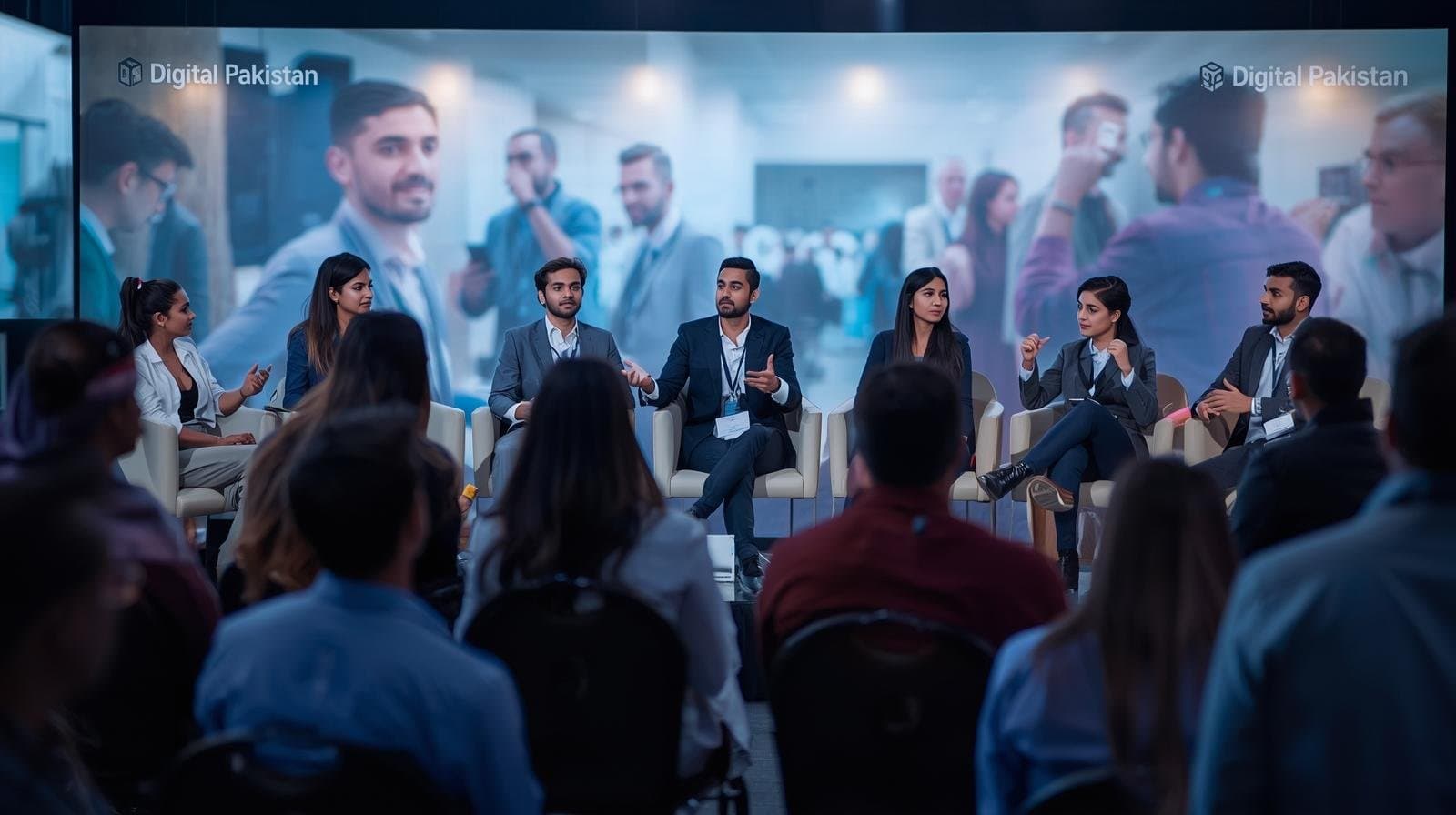
Networking events and workshops allow young developers to interact with global professionals. A simple conversation during a mentorship session can turn into a partnership or a funding opportunity, providing a support system that nurtures soft skills like communication and teamwork.
Real-World Impact: Beyond Game Design
Mentorship prepares developers to build businesses that last. With technologies like AR, VR, and AI changing how players interact with digital worlds, mentors help startups stay ahead of global trends and integrate these tools effectively.
Furthermore, incubation instills an understanding of branding and community building. By analyzing player behavior and adapting post-launch, developers can maintain financial independence, ensuring their creativity thrives over the long term.
Key Takeaways
- Mentorship transforms passion projects into sustainable, market-ready business ventures.
- Incubation provides the bridge between creative game design and professional entrepreneurship.
- A strong community network within incubators unlocks opportunities for funding and global partnerships.
- Mentors guide developers in adopting emerging technologies like AI and VR to stay competitive.